
women traveling alonesolo travel safetyfemale travel tipsinternational travel safetytravel safety checklist
Essential Travel Safety Tips Every Woman Should Know
Discover essential travel safety tips for women, including destination research, documents, accommodation, transport, health preparation, emergency planning, and solo travel advice.
November 9, 2026 Seen by 25
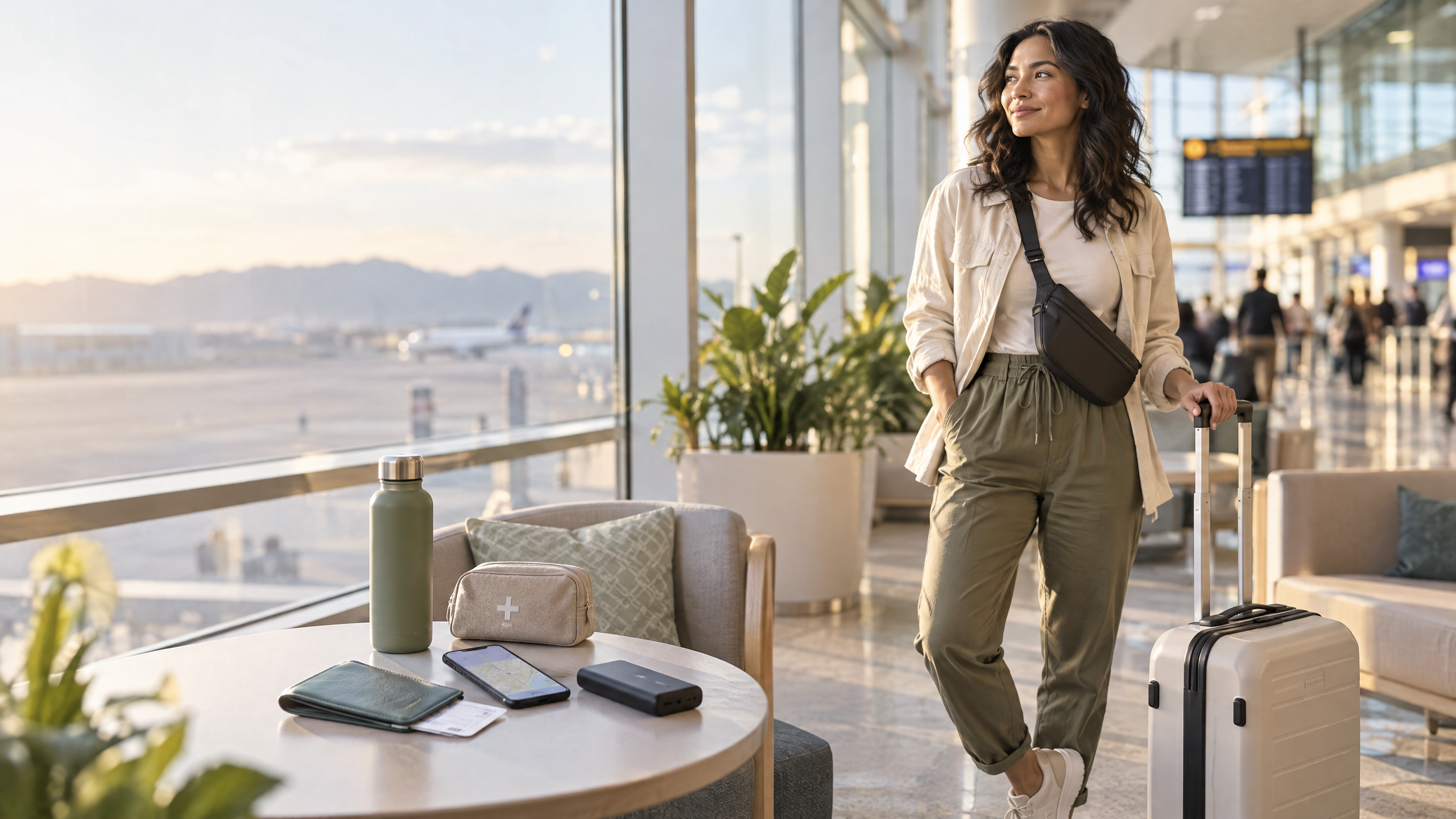
Travel can be exciting, empowering, and unforgettable. It can also feel stressful when you are visiting a new place, traveling alone, managing unfamiliar transport, or trying to understand local customs. Good preparation does not mean expecting something bad to happen. It means giving yourself more information, more choices, and a clear plan if your circumstances change. Women can face additional health, cultural, and security considerations in some destinations. Official advice from the U.S. Department of State and the UK Foreign, Commonwealth & Development Office recommends researching local laws, customs, transport, health services, and risks before departure. These concerns should never be used to discourage women from traveling. Instead, they can help travelers make informed decisions that suit their comfort level and destination.
Research Your Destination Before You Go
Begin with official travel advice from your government, the destination’s tourism authority, and a reliable health organization. Check current security notices, entry requirements, visa rules, weather, transport, health risks, and local emergency numbers. Research the neighbourhoods where you plan to stay, not only the country as a whole. A destination may have safe and unsafe areas that change depending on the time of day. Look at how you will travel from the airport or station to your accommodation, especially if you arrive late. Learn about local customs and clothing expectations. In some places, clothing that feels normal at home may attract unwanted attention or be inappropriate at religious sites. The U.S. State Department advises travelers to review local laws and customs, including expectations related to women’s appearance and behaviour. This is not about changing your identity or blaming yourself for another person’s behaviour. It is about knowing the environment so you can choose clothing and behavior that help you feel comfortable and avoid preventable conflict with local rules.
Share Your Itinerary With Someone You Trust
Before leaving, give a trusted person your flight details, accommodation names, travel dates, and planned activities. Share copies of important documents and tell them how often you expect to check in. You do not need to publish your location publicly on social media. A private message to one trusted person is usually more useful than a public post. If your plans change, send a quick update. For solo travel, create a simple check-in system. For example, you might message someone when you arrive at a new city, reach your accommodation, or complete a long excursion. Agree in advance on what they should do if they cannot reach you.
Protect Your Important Documents
Keep your passport, visa, identity documents, travel insurance details, prescriptions, and emergency contacts secure. Store digital copies in a password-protected account and keep an offline copy on your phone if possible. Leave another copy with someone at home.
Carry your passport according to the laws and practical advice of your destination. In some locations, you may need it for official identification. Use a secure travel wallet or a zipped compartment rather than placing documents in an open handbag. Keep separate access to money. Carry one payment card in your everyday wallet and store another card in a secure location. Avoid keeping all your cash and cards together. Take only the money you need for short outings. If your passport is lost or stolen, contact local authorities and your embassy or consulate. Your government may be able to provide guidance on replacement documents, but it may not be able to pay all travel or accommodation costs.
Choose Accommodation Carefully
Read recent reviews with attention to safety, location, lighting, reception hours, door locks, and transport access. Look for comments from people who stayed recently rather than relying only on older reviews. A well-reviewed property in a central, well-connected area may be a better choice than the cheapest accommodation far from public services. If you are arriving at night, confirm how you will check in and whether the reception will be open. When checking in, avoid announcing your room number loudly. Do not tell strangers where you are staying. Keep the door locked, use any available safety latch, and do not open the door to unexpected visitors without verifying their identity. If something about the accommodation feels unsafe, trust your judgment. Ask for a room change, contact the property manager, move to a different hotel, or seek help from local authorities. Paying more or changing plans can be worthwhile when your safety or peace of mind is affected.
Plan Airport and Local Transport
Arrange your first transfer before you arrive, especially if you land late, have heavy luggage, or do not speak the local language. Use licensed taxis, official airport transport, or reputable ride-hailing services. Check the vehicle, driver name, license plate, and trip details before entering. Avoid accepting rides from people who approach you inside an airport or station unless you have independently verified that they are authorised. Do not hitchhike. If your transport app allows it, share the ride details with someone you trust. Sit in the back seat when appropriate, keep your phone charged, and follow the route on your own map. If the driver takes a route that concerns you, ask calmly to stop in a busy public area. When using buses or trains, keep valuables secure and avoid displaying expensive devices. Crowded areas can increase the risk of pickpocketing and unwanted contact. Move closer to other passengers, staff, or a driver if you feel uncomfortable.
Stay Aware Without Living in Fear
Awareness means noticing where you are, how you will leave, and who is around you. It does not mean being suspicious of every person you meet. Avoid walking while completely absorbed in your phone, especially at night or in unfamiliar areas. Keep one ear free if you listen to music. Notice landmarks so you can describe your location if you need help. If someone is making you uncomfortable, you do not have to remain polite. Move toward a shop, hotel desk, restaurant, family group, security officer, or other public place. Use a firm voice and ask for help clearly. The State Department recommends knowing where local police stations and hospitals are located and thinking ahead about a safety plan. Save these locations on your phone before you need them.
Be Careful With Drinks and Social Invitations
Enjoying nightlife or meeting new people can be part of travel, but use the same boundaries you would use at home. Keep your drink with you, do not accept an open drink from a stranger, and be cautious if you suddenly feel unusually dizzy, confused, or unwell. If you feel strange after drinking a small amount, tell someone you trust and move to a safe place. Contact local emergency services or a medical provider. The UK government and U.S. State Department both warn that drug-assisted assault can occur in different settings and that a person may not be able to detect a substance in a drink. Do not blame yourself if someone harms you. Seek medical care and support as soon as possible. Contact your embassy or consulate if you need help finding medical or legal resources. If you are traveling with friends, agree on a buddy system for evenings out.
Prepare a Travel Health Kit
The CDC recommends checking destination-specific health information and meeting with a healthcare provider or travel-health specialist around four to six weeks before departure when possible. This gives you time to discuss vaccines, medicines, health conditions, allergies, pregnancy, planned activities, and the type of accommodation you will use. Pack regular medicines in their original packaging and bring enough for the full trip plus extra in case of delays. Check whether your medicine is legal in the destination country and whether you need supporting documentation. Your travel health kit may include prescribed medicine, basic first-aid supplies, menstrual products, sunscreen, insect repellent, hand sanitizer, copies of medical information, and any items that may be difficult to find at your destination. The CDC also recommends planning for medical care overseas and considering travel insurance that covers healthcare and emergency evacuation, especially for remote trips. Travel health needs differ from person to person. Speak with a qualified professional rather than relying only on general internet advice.
Keep Your Phone and Money Ready
Charge your phone before leaving your accommodation. Carry a portable charger if practical and save important information for offline access. Keep your accommodation address written in the local language or saved as a screenshot. Check whether your phone plan works abroad or arrange a local SIM or eSIM. Save local emergency numbers, your accommodation, your transport provider, your insurance company, and your embassy or consulate. Avoid displaying large amounts of cash. Use an ATM inside a bank or secure public location when possible. Cover your PIN and check the machine for anything unusual. If you lose a card, contact your bank quickly and use the backup payment method you stored separately.
Dress for Comfort, Weather, and Local Rules
Travel clothing should help you move comfortably and respond to the environment. Pack layers, comfortable walking shoes, weather-appropriate outerwear, and one outfit suitable for more formal or religious settings if needed. Research whether you need to cover your shoulders, knees, hair, or other parts of your body at specific sites. Bring a lightweight scarf or cover-up if it may help you enter places respectfully. Choose practical bags with secure zippers and keep them where you can see or feel them. Avoid wearing items that make it difficult to walk, use public transport, or respond quickly if plans change.
Trust Your Instincts and Leave Early
You do not need proof that a situation is dangerous before leaving it. If a conversation, taxi, party, date, tour, or accommodation feels wrong, make an excuse and go somewhere safer. Use simple phrases such as “I need to call my friend,” “I am leaving now,” or “Please stop here.” Move toward staff or a public place rather than trying to win an argument with someone who is behaving aggressively. Personal alarms may be useful in some situations, but check local laws before packing items such as pepper spray or other defensive tools. The State Department also suggests considering safety training before travel.1
Make an Emergency Plan
Write down what you will do if your passport, phone, money, or luggage disappears. Keep emergency contact details in more than one place. Your plan should include:
The local emergency number
Your country’s embassy or consulate
Your travel insurance emergency line
A trusted contact at home
The location of a nearby hospital or police station
A backup payment method
A safe meeting point if traveling with others
The CDC advises leaving copies of important documents with someone at home, checking in during the trip, and preparing emergency contacts before departure. If you experience harassment, assault, theft, or another crime, seek immediate safety first. Contact local emergency services, medical professionals, your embassy or consulate, and a trusted person. Support options vary by country, so do not assume the process will be identical to what you know at home.
Final Thoughts
The best travel safety plan is practical, flexible, and suited to your destination. Research local conditions, protect your documents, choose reliable transport, share your plans, prepare your health kit, and trust your instincts. Safety preparation should not prevent you from enjoying new places. It can give you the confidence to explore with greater awareness and make decisions that support your wellbeing. Whether you are traveling alone, with friends, or with family, you deserve a trip that is exciting, respectful, and as safe as possible.
Travel Safety Disclaimer
This article provides general travel information and is not a substitute for current government travel advisories, destination-specific medical advice, legal guidance, or emergency services. Conditions can change quickly. Check official advice for your nationality and destination before departure, and follow local laws and instructions from qualified authorities.
References
[1] Women Travelers — U.S. Department of State
[2] Advice for Women Travelling Abroad — GOV.UK
[3] Before You Travel — CDC Travelers’ Health
Follow the Charmafrica channel on WhatsApphttps://whatsapp.com/channel/0029VbDjEnP42DcbgRu5aq3g 0
Comments
Sign in to leave a comment.