
Hair Growth Secrets: A Science-Backed Guide to Longer, Thicker, Shinier Hair
Genetics set the ceiling, but daily habits decide whether you reach it. The complete editor guide to scalp health, growth-supporting nutrients, gentle styling and the products that actually move the needle.
June 10, 2026
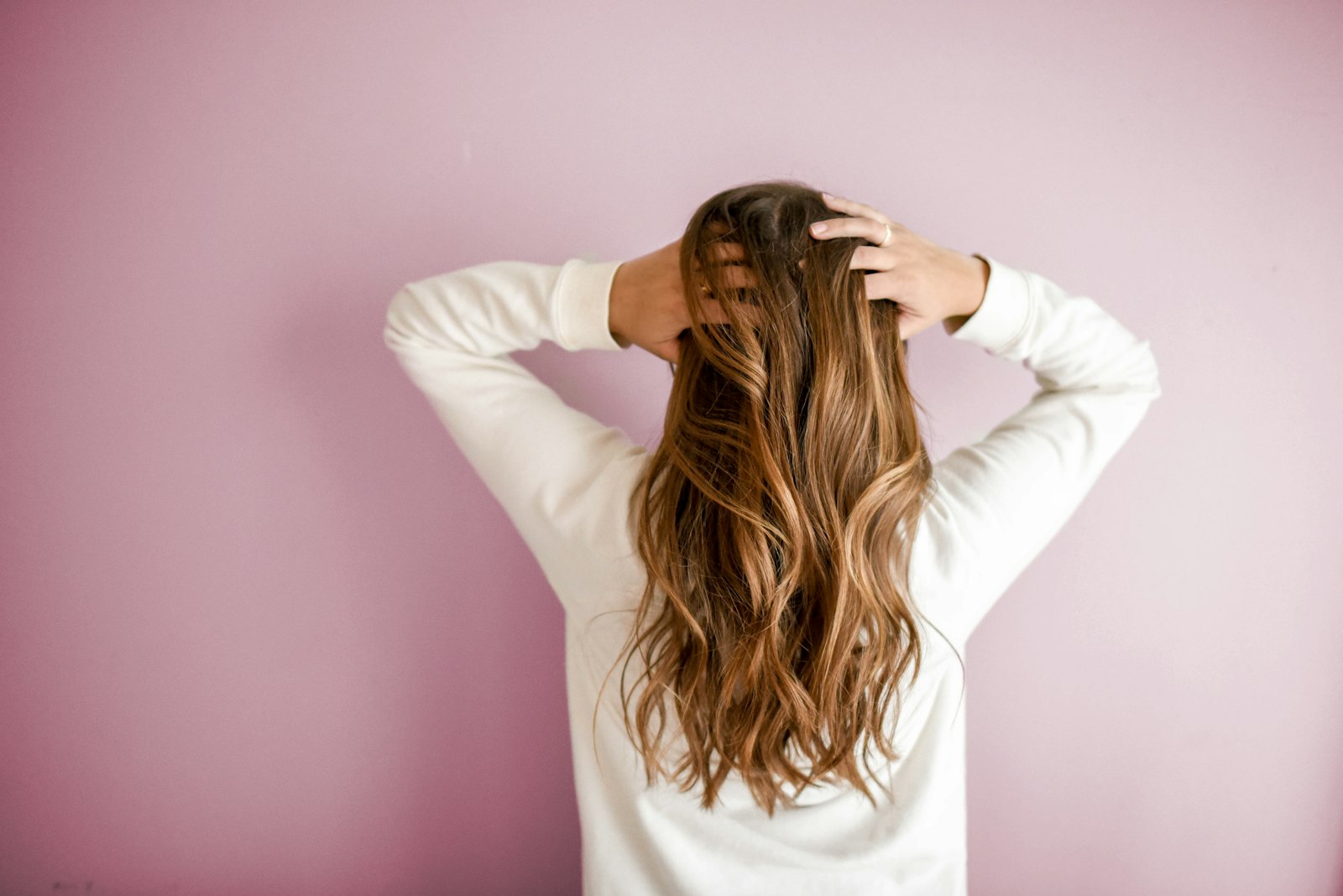
Long, thick, glossy hair is not just genetic luck. Healthy hair growth is a slow, biological process that responds dramatically to how you treat your scalp, what you eat, and how you style. Hair grows on average half an inch per month, but breakage, dryness, and a struggling scalp can quietly cancel out every centimeter you gain. Here is what actually works, based on dermatology research and the rituals beauty editors swear by.
**Start with the scalp, not the strands**
Your scalp is skin — and like any skin, it needs cleansing, exfoliation, hydration, and circulation. Clogged follicles produce thinner, weaker hairs. Once a week, use a gentle scalp scrub or a clarifying shampoo to lift product buildup, sebum, and dead skin. Between washes, a two-minute scalp massage with your fingertips (not nails) boosts blood flow, which delivers oxygen and nutrients directly to the hair bulb. Studies show that daily four-minute scalp massages can measurably increase hair thickness over six months.
**Wash smarter, not more often**
Over-washing strips the natural lipids that keep hair flexible and shiny. Most hair types thrive on two to three washes per week. Use lukewarm water — hot water swells the cuticle and causes color fade. Shampoo only the scalp, then let the lather rinse through the lengths. Condition mid-shaft to ends, never on the roots.
**The ingredient checklist**
For growth and thickness, look for caffeine, rosemary extract, peptides, biotin, and niacinamide in your scalp serums. A 2015 clinical trial famously found rosemary oil to be as effective as minoxidil 2% for androgenic hair loss, with fewer side effects. For shine and softness, ceramides, panthenol, and lightweight oils like argan or camellia repair the cuticle. For damage repair, bond-building treatments containing maleic acid or similar bond-builders reconnect broken disulfide bonds inside the strand.
**Heat and styling: the silent saboteurs**
Direct heat above 180°C breaks the hydrogen bonds in your hair and gradually destroys keratin. Always use a heat protectant, and turn your tools down — 150 to 170°C is plenty for most hair types. Switch your cotton pillowcase for silk or satin to cut friction by up to 43%. Sleep in a loose braid, not a tight ponytail. And replace plastic brushes with boar bristle or detangling brushes that glide instead of yanking.
**Nutrition that grows hair**
Hair is made of keratin, a protein. If you do not eat enough protein, your body deprioritizes hair growth in favor of essential organs. Aim for 0.8 to 1 gram of protein per kilogram of body weight. Iron deficiency is the most common nutritional cause of hair shedding in women — get your ferritin checked if you are noticing thinning. Other key nutrients: zinc, biotin, vitamin D, omega-3s, and vitamin B12. Eat them through food first: eggs, salmon, lentils, spinach, pumpkin seeds, and Greek yogurt.
**Treatments worth the hype**
Weekly deep conditioning masks are non-negotiable for length retention. Look for masks with hydrolyzed proteins, ceramides, and natural butters. Monthly bond treatments protect against chemical damage if you color or bleach. Scalp serums applied to a dry scalp at night, three to five times a week, deliver active ingredients without product buildup.
**Trim to grow**
It sounds counterintuitive, but a quarter-inch trim every 10 to 12 weeks prevents splits from traveling up the shaft and snapping centimeters off. You will gain length faster with regular trims than by avoiding the scissors entirely.
**The patience principle**
Hair growth is measured in seasons, not weeks. A serious routine takes three months to show visible thickness, six months to show new length, and a full year to transform overall density. Take monthly photos in the same light — the gradual change is hard to see in the mirror but obvious in pictures.
**A simple weekly template**
Two shampoos, two conditioner sessions, one deep mask, one scalp scrub, three scalp serum nights, daily silk pillowcase, weekly bond treatment if color-treated. Stay consistent, eat for your hair, and protect it from heat — and your healthiest hair is on its way.
0
Comments
Sign in to leave a comment.