
peaceful home ideascozy home tipsrelaxing home environmenthome organization ideascomfortable home decor
How to Create a Calm and Comfortable Home
Learn how to create a calm and comfortable home with simple ideas for decluttering, lighting, color, indoor air quality, restful bedrooms, cozy rooms, and budget-friendly changes.
November 2, 2026 Seen by 41
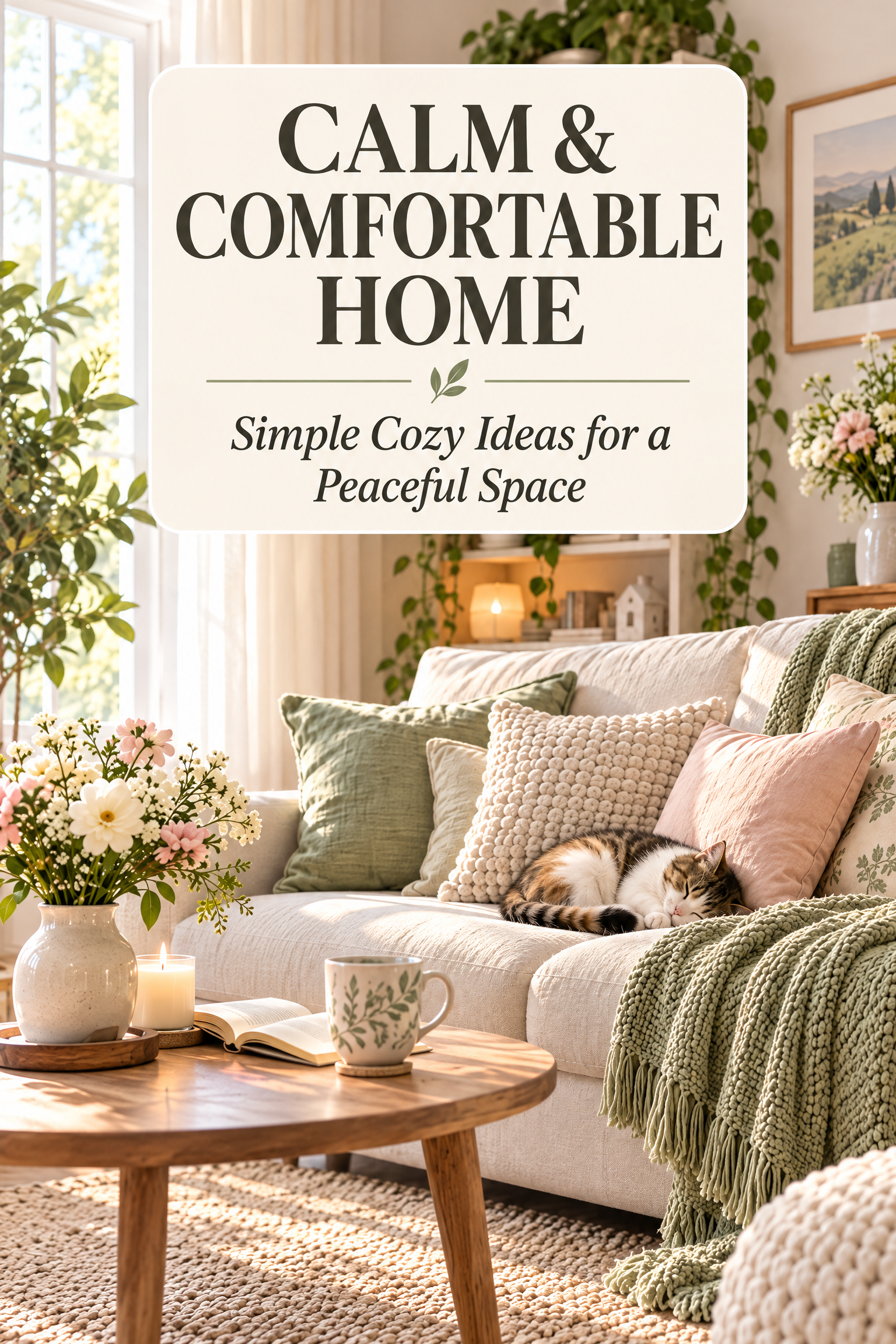
A calm and comfortable home does not have to be large, expensive, or professionally decorated. It is a space that supports the way you live. It should make daily routines easier, give you places to rest, and help you feel welcome when you return from a busy day. Creating a peaceful home is less about following one decorating trend and more about making thoughtful choices. Clear surfaces, comfortable furniture, soft lighting, fresh air, useful storage, and personal details can change the atmosphere of a room without requiring a complete renovation. The most important question is not, “Does my home look like a magazine?” It is, “Does my home help me feel comfortable, rested, and able to manage everyday life?”
Start by Removing Visual Stress
Clutter can make a room feel harder to use. You do not need to remove every object or create a perfectly minimal home. Begin with the areas that affect your routine the most, such as the entrance, kitchen counters, bedside table, bathroom, and living-room seating area. Choose one small area and sort everything into three groups: keep, relocate, and remove. Return items that belong elsewhere, donate or recycle things you no longer use, and keep the remaining items organised where they are easy to reach. Avoid buying storage containers before you know what needs to be stored. Otherwise, storage can become another form of clutter. First reduce what you do not need. Then choose baskets, drawers, shelves, hooks, or boxes that fit the remaining items. A calm home should also be easy to maintain. If an organizing system requires several steps to put one item away, it may not work with your lifestyle. Store everyday items where you naturally use them.
Choose a Calming Color Foundation
Color strongly influences how a room feels, although there is no single color palette that works for everyone. Soft neutrals such as warm white, cream, beige, muted grey, sand, and pale taupe can create a calm foundation. You can add personality with sage green, dusty blue, muted rose, terracotta, warm brown, or deep plum. Use stronger colors in smaller areas such as cushions, artwork, curtains, rugs, or one accent wall. Consider the natural light in each room. A cool grey may feel fresh in a bright space but cold in a dark room. Warm cream may feel welcoming in a shaded room but overly yellow in strong afternoon sunlight. Test paint or fabric samples at different times of day before making a large change. The best color scheme is one that makes you feel comfortable and works with the furniture you already own.
Improve the Lighting
A room can feel uncomfortable when it relies on one bright overhead light. Layered lighting creates more flexibility. Use a combination of general lighting, task lighting, and softer lamps. A floor lamp can brighten a dark corner. A table lamp beside a sofa or bed supports reading. Under-cabinet lighting can make a kitchen easier to use. A dimmer switch can change the mood without changing the entire room. Use daylight when possible, but do not allow glare to make a space uncomfortable. Light curtains, adjustable blinds, or sheer panels can soften strong sunlight while keeping a room bright. In the evening, use warmer, lower lighting in bedrooms and living areas. This can make it easier to shift from active tasks to rest. Avoid placing the brightest light directly beside your bed if you want the bedroom to feel peaceful.
Make the Living Room Easy to Enjoy
A comfortable living room should support conversation, reading, watching entertainment, relaxing, and spending time alone. Arrange furniture so people can move around easily and seats face one another or a clear focal point. A sofa does not need to be expensive to be comfortable. Check the seat depth, back support, fabric texture, and ease of cleaning. Add cushions and a throw only if they are useful to you. Too many decorative items can make the room harder to keep tidy. A rug can make a room feel warmer and help define the seating area. Choose a size that allows at least the front legs of major furniture to sit on the rug when possible. If you have children or pets, prioritise durable, washable materials. Keep a small basket near the sofa for remote controls, books, chargers, or blankets. Practical storage helps the room return to a calm appearance quickly.
Create a Restful Bedroom
Your bedroom should be designed for rest rather than becoming a storage area for everything else. Keep the bedside surface simple, use comfortable bedding, and remove unnecessary work materials if possible. The CDC recommends keeping the bedroom quiet, relaxing, and cool. It also suggests turning off electronic devices at least 30 minutes before bedtime and maintaining consistent sleep and wake times. Choose bedding that suits your temperature and texture preferences. Natural fibers may feel breathable to some people, while other materials may be easier to wash and maintain. The best choice is the one that helps you sleep comfortably. Use curtains or blinds that allow you to control light. Reduce noise where possible with soft furnishings, a door draft stopper, or a consistent background sound if that works for you. Keep phones and bright screens away from the immediate sleeping area if they encourage late-night scrolling. If you regularly have difficulty falling asleep, wake repeatedly, or feel tired despite enough time in bed, speak with a healthcare professional. Bedroom decoration cannot solve every sleep problem.
Improve Indoor Air Quality
Comfort also depends on the air inside your home. The U.S. Environmental Protection Agency recommends controlling pollution sources, improving ventilation, changing filters as directed, and managing indoor humidity. When outdoor conditions allow, opening windows or using kitchen and bathroom exhaust fans can help remove indoor pollutants. Always ventilate when cooking, painting, cleaning with strong products, or completing hobbies that release fumes. EPA guidance recommends keeping indoor humidity between 30 and 50 percent. A small humidity gauge can help you understand whether the air is too dry or too damp. Excess moisture can increase the likelihood of mold, so repair leaks and dry wet areas promptly. Keep cleaning products closed and follow their labels. Do not mix household cleaners unless the manufacturer specifically directs you to do so. Be cautious with heavily fragranced sprays, candles, and air fresheners if anyone in the household is sensitive to scents. Houseplants can add beauty, but they are not a substitute for ventilation or source control. EPA notes that there is not currently evidence that a reasonable number of houseplants remove significant quantities of pollutants in homes.2 Avoid overwatering plants because damp soil may encourage microorganisms.
Add Comfortable Textures
Texture can make a home feel warm and inviting. Soft blankets, cushions, curtains, rugs, woven baskets, wood, ceramic, and natural-looking materials can make a room feel more personal. Use texture with purpose. A washable throw may be more useful than delicate decorative fabric. A padded bench can provide both comfort and storage. A rug can soften sound and make a hard floor feel warmer. If you have allergies, pets, or limited time for cleaning, avoid filling every surface with textiles that collect dust. Choose fabrics that can be washed or cleaned according to their care instructions.
Create a Calm Entryway
The entrance sets the tone for the rest of the home. Add a small place for keys, a hook for bags, a shoe tray, and a basket for items that need to leave the house. Keep the entryway practical rather than crowded. A mirror can make the area feel larger and help with last-minute checks. A small lamp or warm wall light can make the entrance feel welcoming in the evening. If you live in a small space, use vertical storage. Hooks, narrow shelves, and wall-mounted organizers can provide useful storage without taking up floor area.
Make the Kitchen Feel Manageable
A calm kitchen is usually a functional kitchen. Keep frequently used utensils, ingredients, and appliances easy to reach. Store rarely used items elsewhere so the main work surface remains available. Clear the counter at the end of the day, even if you do not complete every cleaning task. A few minutes of resetting can make the next morning feel easier. Use labeled containers only when labels genuinely help. Group similar items together, keep expired food from building up, and place the products you use most often at comfortable heights. Good ventilation is particularly important while cooking. Use an exhaust fan that vents outdoors when available, and follow appliance instructions.
Use Personal Details Carefully
A peaceful home should still feel like your home. Display photographs, artwork, books, souvenirs, handmade objects, or meaningful gifts. Personal objects create connection and make a room feel less generic. Choose a few items that matter rather than displaying everything at once. Rotate seasonal decorations and store the rest safely. This gives your space variety without creating permanent visual clutter. Do not feel pressured to copy a social-media interior style. Trends change quickly, while comfort and personal meaning usually last longer.
Improve Comfort With Energy-Efficient Changes
Temperature and drafts can strongly affect how comfortable a home feels. The U.S. Department of Energy explains that insulation can reduce heating and cooling costs while improving comfort. It also notes that air sealing can reduce drafts, improve durability, and support a healthier indoor environment. Simple actions may include using curtains to reduce heat gain or loss, placing draft stoppers near doors, and checking whether windows need weatherstripping. Larger improvements such as insulation, air sealing, or window upgrades should be planned according to your climate, building type, and local professional guidance. Energy-efficient changes can support a calmer home because rooms feel more consistent and household costs may become easier to manage. Do not block vents or attempt electrical, gas, or structural work without qualified advice.
Build Small Reset Routines
A calm home is not created once and then left untouched. Small routines help maintain it. Try a five-minute evening reset: return items to their places, clear the main surface, prepare what you need for the morning, and adjust the lighting for the evening. Once a week, wash bedding, check the bathroom for moisture, clean high-use surfaces, and review the entryway. Choose a schedule that fits your life rather than creating an unrealistic cleaning plan. If other people share your home, divide responsibilities clearly. A comfortable home should not depend on one person doing all the invisible work.
Make Sustainable Choices
Comfort and sustainability can work together. Repair furniture and clothing when practical, choose durable products, buy secondhand, and avoid replacing items simply because a new trend has appeared. Choose materials that can be maintained and cleaned. Before purchasing home decor, ask where it will be stored, how often it will be used, and whether it improves daily life. Sustainable living does not require a perfect home or a zero-waste lifestyle. It can begin with using what you already own, reducing unnecessary purchases, donating useful items, and selecting products that last.
Final Thoughts
Creating a calm and comfortable home begins with simple decisions: reduce unnecessary clutter, improve lighting, choose comfortable furniture, support restful sleep, manage indoor air, and make storage easy to use. You do not need to change every room at once. Start with the place that affects your daily mood the most. Make one practical improvement, live with it, and adjust as needed. A peaceful home is not a performance for visitors. It is a supportive environment for the people who live there. When your space feels easier to use and more connected to your needs, everyday life can feel calmer too.
Lifestyle and Home-Safety Disclaimer
This article provides general lifestyle and home-comfort information. It is not a substitute for professional advice about electrical work, structural repairs, gas appliances, mold remediation, indoor air pollution, or health conditions. Contact a qualified professional when a repair involves safety risks or when persistent indoor-air or sleep problems affect your wellbeing.
References
[1] About Sleep — Centers for Disease Control and Prevention
[2] Improving Indoor Air Quality — U.S. Environmental Protection Agency
[3] Care for Your Air: A Guide to Indoor Air Quality — U.S. Environmental Protection Agency
[4] Energy-Efficient Home Improvement Credit: Insulation and Air-Sealing Essentials — U.S. Department of Energy
Follow the Charmafrica channel on WhatsApphttps://whatsapp.com/channel/0029VbDjEnP42DcbgRu5aq3g 0
Comments
Sign in to leave a comment.