
Women’s HealthWomenHealth & WellnessPeriod HealthMenstrual HealthWomen’s WellnessHealthy LivingReproductive Health
The Health Problems Women Learn to Live With: When “It’s Normal” Shouldn’t Be the Answer
Some women live with severe period pain, heavy bleeding, pelvic pain, bloating, and fatigue. Learn when recurring symptoms deserve medical attention.
September 21, 2026
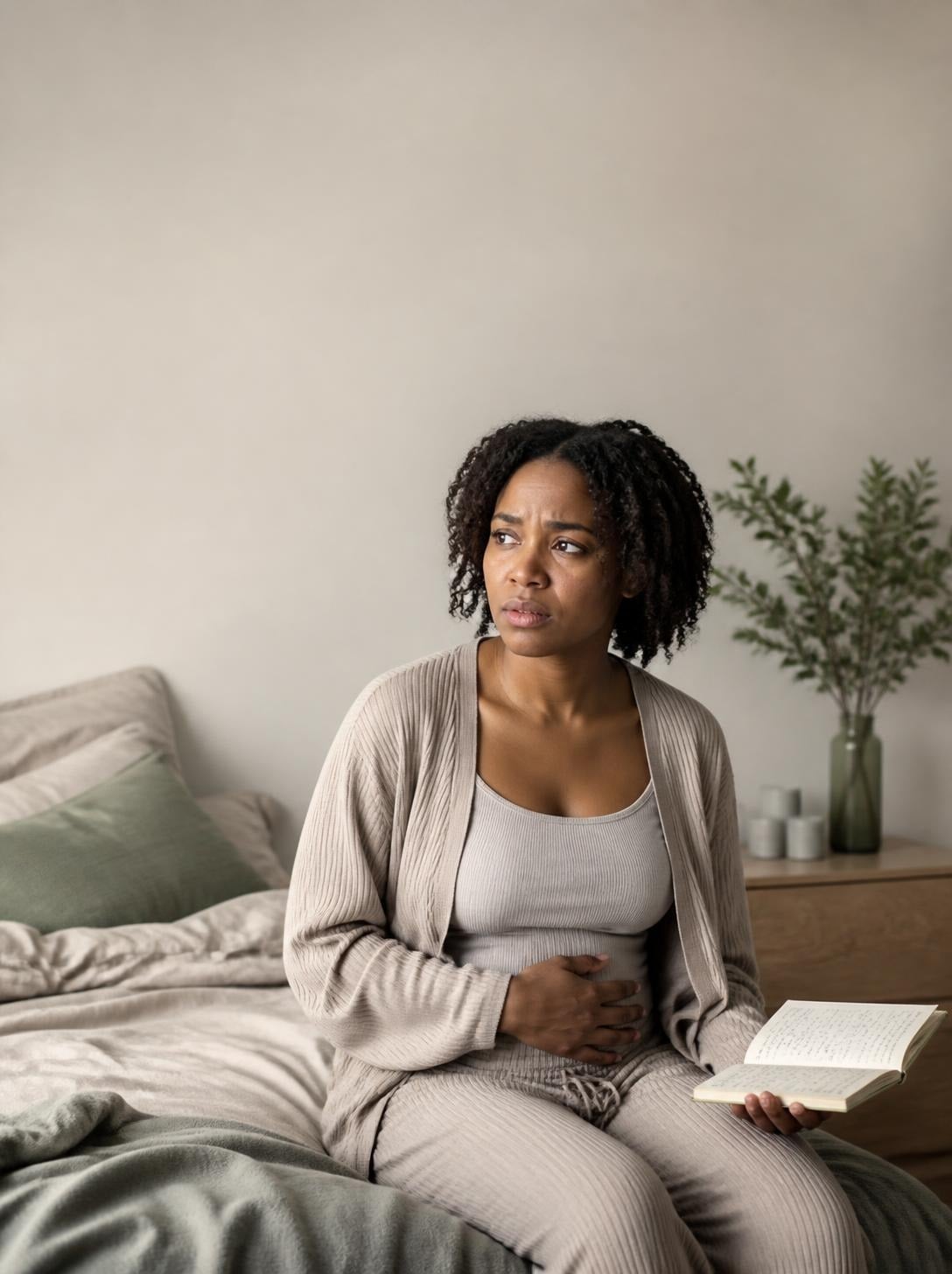
There are some health problems women become so used to experiencing that they eventually stop questioning them. The period pain that makes you cancel plans, the exhaustion that follows you through every week, the bloating you experience again and again, the headaches you have learned to push through, the pelvic discomfort you rarely mention, and the unusually heavy periods you simply consider “your normal.”
Sometimes, these symptoms may have an ordinary explanation. But sometimes, recurring or severe symptoms deserve a conversation with a healthcare professional. The difficult part is that many women grow up hearing that certain discomforts are simply part of being a woman. Periods are supposed to hurt, every woman gets tired, bloating is normal, or just take something for the pain. But there is an important difference between something being common and something being something you should simply have to live with.
COMMON DOES NOT ALWAYS MEAN YOU SHOULD IGNORE IT
A symptom can be common without being something you should dismiss. For example, some menstrual discomfort is common. Period pain often happens because the uterus contracts during menstruation. But pain that becomes severe, progressively worse, or interferes with everyday activities deserves medical attention.
This doesn’t mean that every painful period indicates a serious condition, it means that your experience is worth discussing when it is significantly affecting your life. You don’t have to diagnose yourself, you simply need to recognize when something has changed or when a symptom has become difficult to manage.
WHEN PERIOD PAIN BECOMES MORE TNAN AN INCONVENIENCE
Many women have learned to organize their lives around painful periods. They know which days they will probably stay home, they keep pain medication nearby, they cancel social plans, they miss work or school, and they spend hours in bed waiting for the pain to settle. But menstrual pain that repeatedly disrupts normal activities is something worth discussing with a healthcare professional.
One possible cause is endometriosis, a condition in which tissue similar to the lining of the uterus grows outside the uterus. It can cause pelvic pain, painful periods, pain during sex, pain with bowel movements or urination, heavy bleeding, bloating, fatigue and other symptoms. However, these symptoms can occur with other conditions too, that is why it is important not to assume that a particular symptom automatically means you have a particular disease. The message is simpler, severe or disruptive pain deserves to be taken seriously.
HEAVY PERIODS SHOULD NOT ALWAYS BE DISMISSED
Some women naturally have heavier periods than others. But there are signs that bleeding may be heavier than usual, including needing to change a pad or tampon every one to two hours, bleeding through clothes or bedding, periods lasting more than seven days, or feeling frequently tired or short of breath. Heavy bleeding can have different causes, including conditions involving the uterus or ovaries.
It can also contribute to iron-deficiency anemia, which is one reason persistent heavy bleeding should be discussed with a healthcare professional. Instead of simply saying, “My periods have always been like this,” pay attention when the pattern changes. Your usual period can be useful information.
RECURRING PELVIC PAIN IS WORTH PAYING ATTENTION TO
Pelvic pain can be particularly easy to ignore because it may come and go. You might experience discomfort around your period and assume it will disappear. But recurring or persistent pelvic pain can have many possible causes, including menstrual pain, ovarian cysts, endometriosis, infections and gastrointestinal or urinary conditions. The important thing is not to guess the cause yourself. If the pain keeps returning, becomes worse, or interferes with your normal life, make time to discuss it with a healthcare professional.
WHAT ABOUT CONSTANT BLOATING?
Bloating is another symptom women often normalize. Sometimes it can be related to food, digestion, constipation, or hormonal changes. But persistent bloating, particularly when it occurs alongside pelvic pain, unexplained weight loss, appetite changes, or other ongoing symptoms, should be discussed with a healthcare professional.
The goal isn’t to become frightened by every episode of bloating, it is to notice patterns. There is a difference between occasional discomfort and a symptom that repeatedly returns without an obvious explanation.
YOUR BODY MAY BE GIVING YOU A PATTERN, NOT JUST A SYMPTOM
One of the most useful things a woman can do is pay attention to patterns. Instead of remembering symptoms vaguely, consider keeping a simple health diary.
Write down:
* When your period starts and ends
* How heavy the bleeding seems compared with your usual pattern
* How severe your pain is
* Whether pain occurs before, during, or after your period
* Bloating or digestive changes
* Headaches
* Fatigue
* Changes in mood or energy
* Pain during sex
* Pain when urinating or having a bowel movement
* Any bleeding between periods
Keeping this information can make it easier to explain what is happening during a medical appointment. The NHS specifically recommends tracking period symptoms because a diary can help a healthcare professional understand what happens and when during the cycle. You don’t need a complicated app, a notebook or simple phone note can be enough.
DON’T LET FAMILY HISTORY CONVINCE YOU THAT SEVERE SYMPTOMS ARE NORMAL
Sometimes women grow up watching their mothers, sisters, or other relatives experience painful periods or other symptoms. Because everyone around them experienced the same thing, they assume it must be normal. But a family pattern doesn’t automatically mean severe symptoms should be ignored.
Mayo Clinic notes that women with endometriosis may sometimes believe severe menstrual pain is normal because they have seen family members experience similar symptoms. Your family history can be useful information for a healthcare professional, it doesn’t have to become a reason to tolerate unnecessary suffering.
WHY WOMEN SOMETIMES STAY SILENT
There are many reasons women don’t talk about these symptoms. Some feel embarrassed, some worry that they will be told they’re exaggerating, others have responsibilities that make it difficult to prioritize themselves, a mother may spend the whole day taking care of her children and postpone her own appointment, a woman working long hours may decide that she cannot afford to take time away from work, and another woman may simply have convinced herself that her symptoms aren’t important enough.
But your health doesn’t need to become an emergency before it deserves attention. You are allowed to ask questions about your body.
HOW TO SPEAK UP AT A MEDICAL APPOINTMENT
If you have been living with a symptom for a long time, it can be difficult to know how to explain it. Instead of saying my period is painful, try being more specific. For example,
the pain is severe enough that I miss work on the first two days of my period. Or “my bleeding has become noticeably heavier over the past few months”. Or, “i regularly experience pelvic pain even when I’m not menstruating.”
Specific information gives your healthcare professional a clearer picture. It can also help to bring a list of your medications, supplements, symptoms, and relevant family history. Mayo Clinic recommends preparing these details before an appointment.
WHEN YOU SHOULD SEEK MEDICAL ATTENTION
You should consider speaking with a healthcare professional if you experience symptoms such as:
* Period pain that is severe or getting worse
* Pain that prevents you from doing normal activities
* Periods that become significantly heavier or more irregular
* Bleeding between periods or after sex
* Repeated pelvic pain
* Pain during sex
* Pain during urination or bowel movements
* Persistent bloating
* Unexplained weight loss
* Persistent fatigue or shortness of breath, particularly alongside heavy periods
Seek urgent medical care for severe or rapidly worsening pelvic pain, fainting or severe dizziness, difficulty breathing, or heavy vaginal bleeding, particularly if pregnancy is possible.
YOU DON’T NEED TO DIAGNOSE YOURSELF
There is an important balance when paying attention to your health. You shouldn’t ignore persistent symptoms, but you also shouldn’t search every symptom online and assume the worst. Pain can have many causes, bloating can have many causes, fatigue can have many causes, and changes in your period can have many causes.
A healthcare professional can help determine whether further evaluation is needed. Your responsibility is not to identify the disease, your responsibility is to notice your body and seek appropriate care when something doesn’t feel right.
LISTENING TO YOUR BODY IS NOT BEING DRAMATIC
Women are sometimes made to feel as though talking about their health makes them difficult, but asking questions isn’t being dramatic, Wanting an explanation isn’t being dramatic, seeking help isn’t being dramatic, and deciding that you no longer want to silently tolerate symptoms that interfere with your life isn’t being dramatic either.
You know your usual body better than anyone else. That doesn’t mean every unusual sensation signals a serious problem, it means changes are worth noticing.
FINAL THOUGHTS
Women spend so much time taking care of other people that their own health can quietly move to the bottom of the list. But your health deserves attention before you reach the point where you cannot ignore it. You don’t have to panic about every symptom, you don’t have to diagnose yourself, and you don’t have to assume that every discomfort is a sign of something serious.
But when a symptom is severe, persistent, worsening, or interfering with your everyday life, don’t automatically dismiss it simply because you’ve been told that it’s “normal.”
Common doesn’t always mean you have to suffer through it. Listen to your body, track what changes, ask questions, and when something doesn’t feel right, give yourself permission to seek professional advice.
DISCLAIMER
This article is for general health education and is not a substitute for medical diagnosis or treatment. Symptoms can have many different causes. If you have persistent, severe, worsening, or concerning symptoms, speak with a qualified healthcare professional for personalized advice.
SOURCES AND FURTHER READING
The health information in this article was informed by the following reputable medical sources:
* NHS — Information about period pain and when to seek medical advice
* NHS — Information about heavy periods and associated symptoms
* NHS — Information about pelvic pain
* Mayo Clinic — Information about endometriosis, its symptoms, diagnosis, and treatment
0
Comments
Sign in to leave a comment.