
SunscreenSkincareSun DamageSkin HealthBeauty TipsAnti-Aging SkincareHyperpigmentationHealthy SkinSkincare Routine
# What Really Happens to Your Skin When You Stop Wearing Sunscreen? Changes You May Notice
What happens when you stop wearing sunscreen? Discover changes UV exposure can cause, from dark spots and premature aging to long-term skin damage.
August 13, 2026
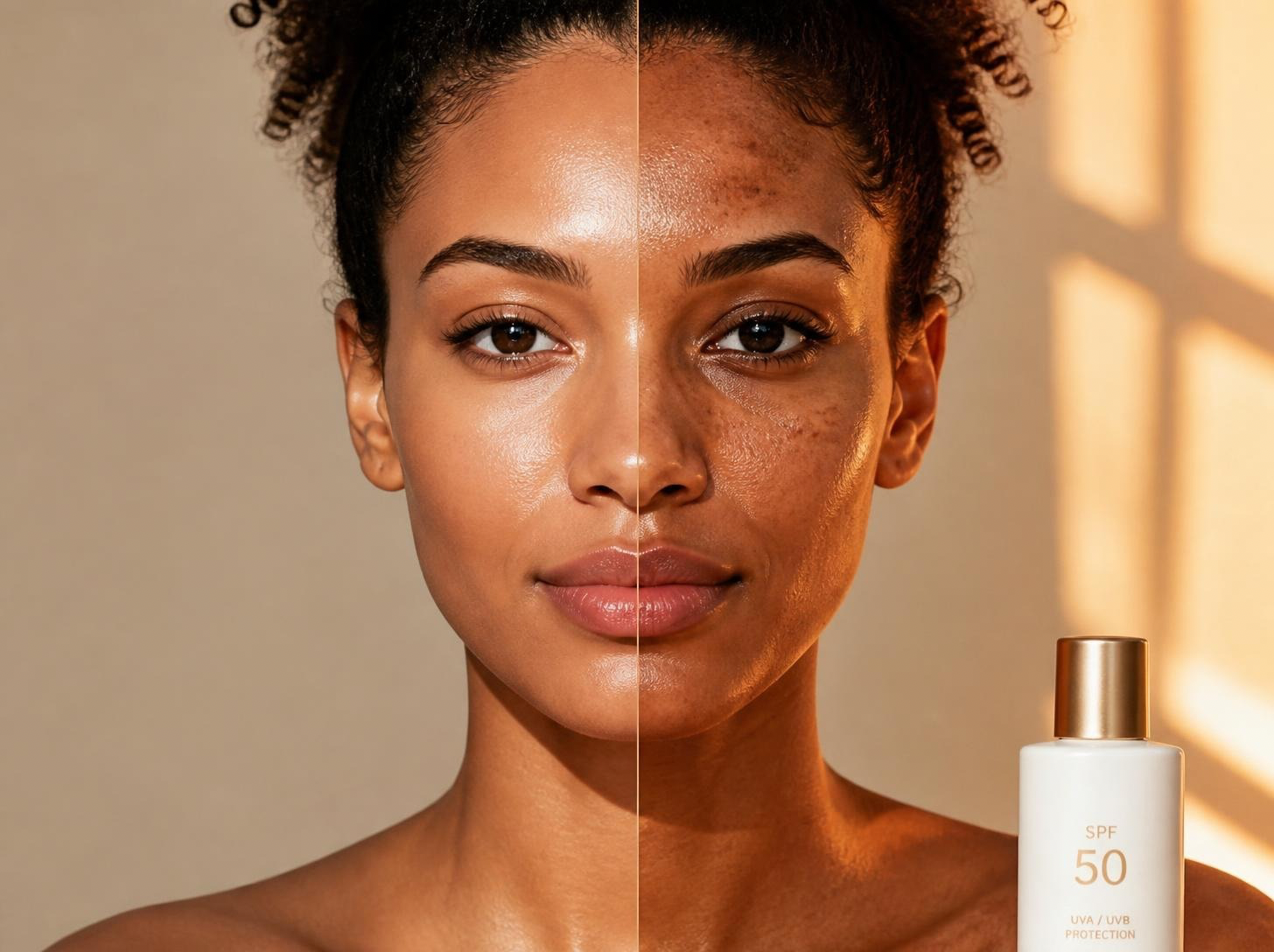
You may not notice it immediately. You skip sunscreen for a few days, then a few weeks and maybe you think, My skin looks fine, so I probably don’t need it every day. But here’s the problem sun damage doesn’t always appear the moment it happens.
Much of the damage caused by ultraviolet (UV) radiation builds gradually beneath the surface of your skin. Over time, repeated exposure can contribute to dark spots, uneven skin tone, premature skin aging and other visible changes. So, what really happens when you stop wearing sunscreen?
Let’s look at the changes your skin may experience and why going back to daily sun protection can make such a difference.
1. DARK SPOTS MAY BECOME MORE NOTICEABLE
One of the first changes you may notice is increased pigmentation. UV exposure stimulates pigment producing cells called melanocytes. In response to sunlight, your skin produces more melanin, the pigment responsible for skin color and tanning. For some people, this can make existing dark spots appear darker or cause new areas of uneven pigmentation to develop. This can be especially noticeable if you already struggle with:
* Hyperpigmentation
* Acne marks
* Sun spots
* Melasma
* Uneven skin tone
That’s why treating dark spots without protecting your skin from UV exposure can feel like taking one step forward and two steps backward.
2. YOUR SkIN CAN START LOOKING LESS EVEN
Healthy-looking skin isn’t only about having no acne. An even complexion plays a major role in how bright and healthy your skin appears. Without consistent sun protection, repeated UV exposure can contribute to uneven pigmentation and make some areas of the face look darker than others. You might notice that your forehead, cheeks, nose or upper lip develops more noticeable discoloration over time. And because pigmentation changes can develop slowly, you may not realize how much sun exposure has contributed until the difference becomes obvious.
3. PREMATURE SkIN AGING CAN ACCELERATE
This is one of the biggest reasons dermatologists recommend daily sunscreen. UV radiation contributes significantly to photoaging, the premature aging of skin caused by repeated sun exposure. Over time, this can contribute to:
* Fine lines
* Wrinkles
* Loss of firmness
* Rougher texture
* Uneven pigmentation
* Reduced elasticity
The interesting part?
You may not see these changes immediately. Sun exposure is cumulative. The more unprotected exposure your skin receives over the years, the more opportunity there is for UV-related damage to accumulate.
4. YOUR SKIN MAY LOSE SOME OF ITS SMOOTH FRESH APPEARANCE
Have you ever noticed that your skin looks smoother and brighter when you have been taking better care of it? Sun protection is an important part of that routine. Repeated UV exposure can affect the skin’s structure and contribute to changes in texture. Over time, skin may appear rougher, duller or less smooth. This doesn’t mean that stopping sunscreen for a few days will suddenly transform your skin. The bigger concern is consistent, long-term exposure without protection. Think of sunscreen as prevention rather than a quick cosmetic treatment.
5. YOUR EXISTING SKINCARE ROUTINE MAY NOT WORK AS WELL AS YOU EXPECT
You can spend money on vitamin C serums, exfoliants, moisturizers and treatments for pigmentation but if you continuously expose your skin to UV radiation without protection, you’re working against one of the major environmental factors affecting your skin. For example, if you’re trying to fade dark marks, continued UV exposure can make pigmentation harder to manage. That’s why sunscreen isn’t simply an additional step. For many skincare routines, it’s the protection step that helps support everything else you’re doing.
6. YOUR SKIN MAY BE MORE VULNERABLE TO SUNBURN
Unlike long-term photoaging, sunburn can happen quickly. If you spend time outdoors without adequate protection, especially during periods of intense sunlight, UV exposure can damage skin cells and cause redness, warmth, tenderness and peeling. Repeated sunburns are particularly concerning because significant UV exposure can cause cellular and DNA damage. This is why sunscreen shouldn’t only be something you remember when you’re going to the beach. Everyday exposure can matter too.
7. LONG TERM UV EXPOSURE INCREASES THE RISK OF SKIN CANCER
This is the most important reason to take sun protection seriously. Ultraviolet radiation is a major environmental risk factor for skin cancer. Repeated exposure and episodes of sunburn can contribute to DNA damage in skin cells. Wearing sunscreen doesn’t make you completely protected from skin cancer, but it is one useful part of a broader sun-protection strategy. That strategy can also include:
* Seeking shade when sunlight is strongest
* Wearing protective clothing
* Using sunglasses
* Wearing a wide-brimmed hat
* Avoiding intentional tanning
* Reapplying sunscreen when appropriate
HOW QUICKLY DOES SUN DAMAGE HAPPEN?
This is where many people get confused. You may think:
If I don’t see damage, nothing is happening. Not necessarily. Some effects of UV exposure, such as sunburn, can become visible within hours. Other changes, particularly photoaging and pigmentation, can accumulate over much longer periods. That’s why sunscreen is best viewed as a daily prevention habit, not something you use only after your skin starts showing damage.
WHAT IF YOU STOPPED WEARING SUNSCREEN?
Don’t panic. Missing sunscreen occasionally doesn’t mean your skin is suddenly permanently damaged. The important thing is what you do going forward. If you’ve stopped using sunscreen, consider rebuilding the habit:
Start With SPF 30 or Higher.
Choose a broad-spectrum sunscreen with SPF 30 or higher. Broad-spectrum protection helps protect against both UVA and UVB radiation. Make It the Last Step of Your Morning Skincare Routine.
After your moisturizer, apply sunscreen before makeup. If you’re using makeup, sunscreen should still be part of your skincare routine rather than relying entirely on makeup products that contain SPF. Don’t Forget Commonly Missed Areas. People often remember their face but forget:
* Ears
* Neck
* Chest
* Hands
* Hairline
These areas can also receive significant sun exposure. Reapply When Needed. If you’re outdoors for an extended period, sweating or swimming, sunscreen may need to be reapplied according to the product’s directions.
DOES DARKER SKIN NEED SUNSCREEN ?
Yes. Melanin provides some natural protection against UV radiation, but it does not provide complete protection. People with darker skin tones can still experience hyperpigmentation, photoaging, sun damage and skin cancer. In fact, pigmentation concerns can make consistent sun protection particularly important for people who are prone to dark marks.
SUNSCREEN ISN’T ONLY FOR SUNNY DAYS
Another common misconception is that sunscreen is unnecessary when the sky is cloudy. UV radiation can still reach your skin on cloudy days. Your exposure also depends on factors such as location, season, time of day and the amount of time you spend outdoors. Instead of deciding whether to use sunscreen based only on whether the sun looks strong, make sun protection part of your regular morning routine.
THE BOTTOM LINE
Stopping sunscreen doesn’t necessarily cause an immediate visible change in your skin. The bigger issue is repeated, unprotected UV exposure over time. That exposure can contribute to pigmentation, premature skin aging, changes in texture, sunburn and an increased risk of skin cancer.
So if you’re investing time and money into your skincare routine, don’t overlook the simplest preventive step. Your future skin will benefit more from consistent protection than from constantly trying to repair damage later. And remember sunscreen isn’t about making your skin look perfect today. It’s about protecting the skin you’ll have years from now.
FREQUENTLY ASKED QUESTIONS
Can I skip sunscreen for a few days?
Occasionally missing sunscreen doesn’t mean your skin will suddenly become damaged. However, consistent protection is a better long-term habit, especially when you’ll be exposed to sunlight.
Does sunscreen prevent dark spots?
Sunscreen can help reduce UV-triggered pigmentation and is an important part of managing concerns such as hyperpigmentation and melasma. It works best as part of an overall skincare approach.
What SPF should I use?
For everyday use, dermatology organizations commonly recommend broad-spectrum sunscreen with SPF 30 or higher.
Do I need sunscreen indoors?
It depends on your environment and UV exposure. If you’re near windows with significant sunlight exposure or going outdoors during the day, sunscreen can be a useful part of your morning routine.
Can sunscreen reverse existing sun damage?
Sunscreen primarily helps prevent further UV damage. Existing pigmentation and signs of photoaging may require other skincare approaches or professional treatments, depending on the concern.
0
Comments
Sign in to leave a comment.