
premature aginganti agingyouthful skinskincare tipswrinklesfine lineshealthy skincollagensunscreenglowing skinskincare routinebeauty tipsskin healthnatural skincareanti aging routine
Why Your Face Looks Older Than Your Age (And How to Fix It Naturally)
Why does your face look older than your age? Discover the most common causes of premature skin aging and learn natural, dermatologist-backed tips to keep your skin youthful, healthy, and glowing.
July 18, 2026
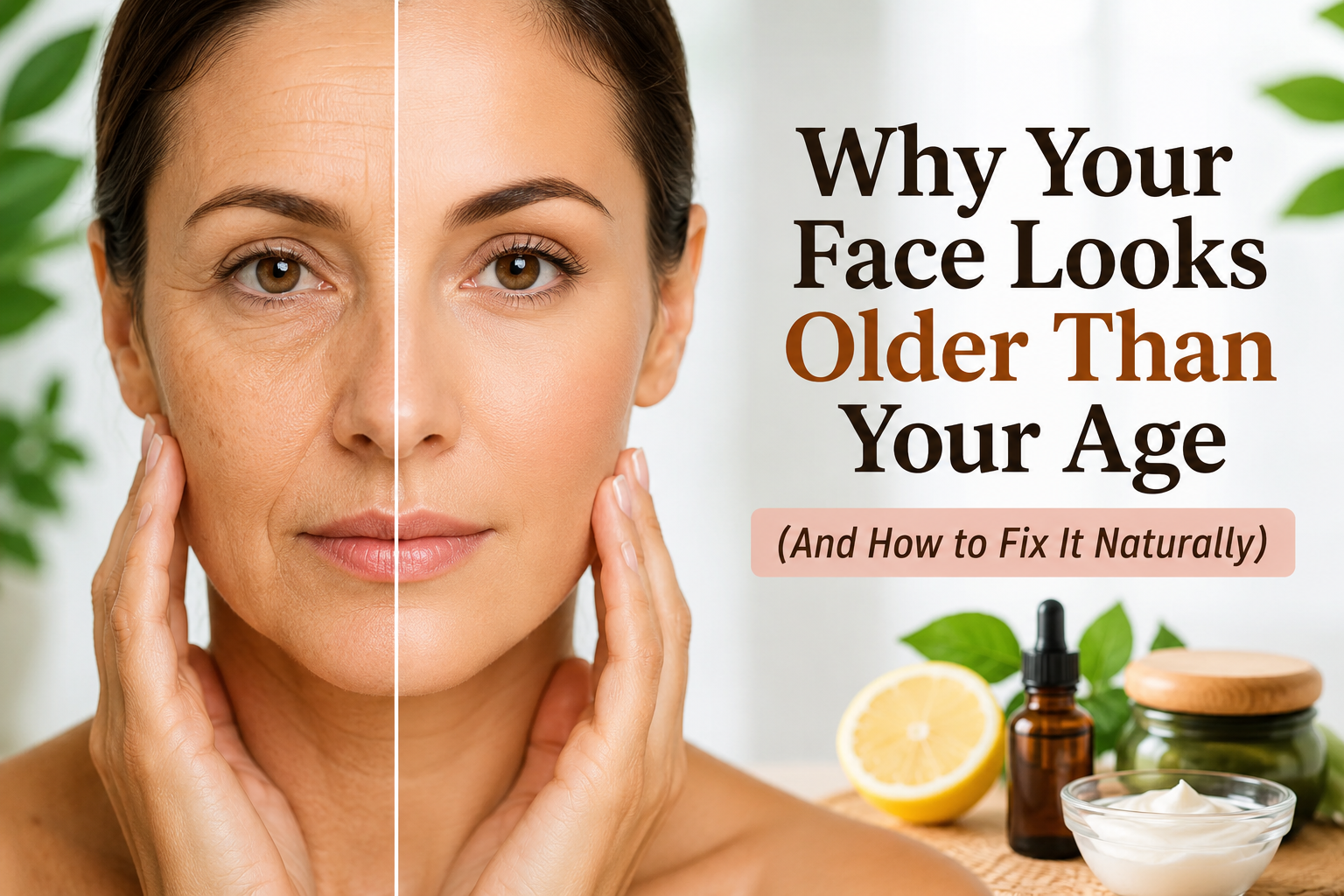
Have you ever looked in the mirror and felt like your face looks older than your actual age? You’re not alone. Many people notice fine lines, dull skin, sagging, or uneven texture much earlier than expected. While aging is a natural part of life, your daily habits and skincare routine can make your face appear older than it should.
The good news is that premature aging is often preventable. Small changes to your lifestyle and skincare routine can make a noticeable difference over time. Understanding what causes your skin to age faster is the first step toward maintaining a healthy, youthful appearance.
In this guide, you’ll discover the most common reasons your face may look older than your age and learn simple, natural ways to restore healthier, more radiant skin.
Sun Damage Is the Biggest Cause of Premature Aging
One of the leading causes of early skin aging is exposure to the sun’s ultraviolet rays. Even if you don’t spend hours outdoors, short periods of daily sun exposure can gradually damage your skin.
Ultraviolet rays break down collagen and elastin, the proteins responsible for keeping skin firm and smooth. As these proteins weaken, wrinkles, fine lines, dark spots, and sagging become more noticeable.
Many people believe sunscreen is only necessary during the summer. In reality, UV rays can damage your skin throughout the year, even on cloudy days.
Using a broad-spectrum sunscreen with at least SPF 30 every morning is one of the simplest and most effective ways to protect your skin from premature aging.
Your Skin May Be Dehydrated
Dry, dehydrated skin often appears rough, tired, and older than well-hydrated skin.
When your skin lacks moisture, fine lines become more visible, and your complexion can lose its natural glow. Dehydration may result from not drinking enough water, overusing harsh skincare products, or living in a dry environment.
To improve hydration, drink enough water throughout the day and choose a moisturizer that contains ingredients such as hyaluronic acid, glycerin, or ceramides. These ingredients help your skin retain moisture and strengthen its protective barrier.
Lack of Sleep Shows on Your Face
Beauty sleep is more than just a popular saying.
While you sleep, your body repairs damaged skin cells and produces collagen. Poor sleep can slow these natural repair processes, leaving your skin looking dull and tired.
Over time, chronic sleep deprivation may contribute to dark circles, puffiness, fine lines, and uneven skin tone.
Aim for seven to nine hours of quality sleep each night. Establishing a consistent bedtime routine can help your skin recover naturally.
Smoking and Excessive Alcohol Speed Up Aging
Smoking reduces blood flow to the skin, limiting the oxygen and nutrients your skin needs to stay healthy.
At the same time, smoking damages collagen and elastin, causing wrinkles to appear much sooner than expected.
Excessive alcohol consumption can also dehydrate the skin and contribute to inflammation, redness, and loss of elasticity.
Reducing or avoiding these habits can significantly improve your skin’s appearance over time.
Stress Can Make You Look Older
Stress affects much more than your mental health.
Long-term stress increases cortisol levels, which may break down collagen and trigger inflammation throughout the body. This can lead to acne breakouts, dullness, sensitivity, and faster development of fine lines.
Finding healthy ways to manage stress can benefit both your overall health and your skin.
Simple activities such as walking, exercising, practicing deep breathing, reading, or spending time with loved ones can help reduce stress naturally.
Your Diet Matters More Than You Think
Healthy skin starts from within.
A diet high in sugar, processed foods, and unhealthy fats may contribute to inflammation and accelerate collagen breakdown.
On the other hand, eating foods rich in antioxidants, healthy fats, vitamins, and minerals supports healthier skin.
Try including more colorful fruits, vegetables, fatty fish, nuts, seeds, eggs, and whole grains in your meals. Foods rich in vitamin C are especially helpful because they support collagen production.
You May Be Using the Wrong Skincare Products
Using products that are too harsh for your skin type can damage your skin barrier.
Over-cleansing, excessive exfoliation, or using strong active ingredients too frequently may leave your skin irritated, dry, and more vulnerable to premature aging.
A simple skincare routine often works better than using too many products.
A basic routine should include:
A gentle cleanser.
A moisturizer suited to your skin type.
Daily sunscreen.
Optional treatments such as vitamin C in the morning or retinol at night if your skin tolerates them.
Consistency is more important than using expensive products.
Natural Ways to Help Your Skin Look Younger
You don’t always need expensive treatments to improve your skin’s appearance.
Simple daily habits can make a significant difference over time.
Wash your face gently without scrubbing.
Apply moisturizer while your skin is still slightly damp.
Wear sunscreen every single day.
Eat balanced meals rich in vitamins and antioxidants.
Exercise regularly to improve circulation.
Avoid smoking.
Limit alcohol consumption.
Sleep well every night.
Manage stress in healthy ways.
Be patient and stay consistent with your skincare routine.
Ingredients That Help Fight Premature Aging
If you’re choosing skincare products, look for ingredients that are supported by scientific research.
Retinol helps stimulate collagen production and improve fine lines.
Vitamin C brightens the skin while protecting it from environmental damage.
Niacinamide helps strengthen the skin barrier and improve uneven skin tone.
Hyaluronic acid provides deep hydration and makes the skin appear plumper.
Ceramides repair the skin barrier and reduce moisture loss.
Peptides support firmer, healthier-looking skin.
These ingredients work best when introduced gradually and used consistently.
Common Mistakes That Make Your Face Age Faster
Many people unknowingly speed up the aging process through everyday habits.
Skipping sunscreen.
Sleeping with makeup on.
Using products that irritate the skin.
Not moisturizing regularly.
Smoking.
Eating too much sugar.
Ignoring hydration.
Frequently rubbing or pulling the skin.
Expecting overnight results instead of staying consistent.
Avoiding these mistakes can help your skin maintain a healthier appearance for years to come.
When Should You See a Dermatologist?
While many signs of premature aging can improve with healthy habits, some skin concerns require professional advice.
If you notice sudden changes in your skin, persistent irritation, unusual dark spots, severe acne scars, or rapid skin aging without an obvious cause, consult a qualified dermatologist.
A professional evaluation can help identify underlying issues and recommend treatments that are appropriate for your skin type.
Final Thoughts
Looking older than your age does not necessarily mean your skin is permanently damaged. In many cases, daily habits have a greater impact on your appearance than genetics alone.
Protecting your skin from the sun, staying hydrated, getting enough sleep, eating nutritious foods, and following a simple, consistent skincare routine can all help slow premature aging naturally.
Remember that healthy skin is not about achieving perfection. It’s about taking care of your skin every day so it stays strong, comfortable, and radiant over time.
The earlier you begin building healthy skincare habits, the better your skin will look and feel in the years ahead. Small changes made today can lead to lasting improvements, helping you maintain a naturally youthful appearance with confidence.
0
Comments
Sign in to leave a comment.