
Hair LossHair CareHair GrowthHealthy HairBeauty TipsScalp HealthHair SheddingHair RoutineWomen’s BeautyHair Wellness
Why Your Hair Keeps Falling Out Even After Using Expensive Products (10 Common Reasons)
Wondering why your hair keeps falling out even after using expensive products? Learn the 10 most common causes of hair loss, expert-backed solutions, and healthy habits that support stronger, fuller hair.
July 16, 2026
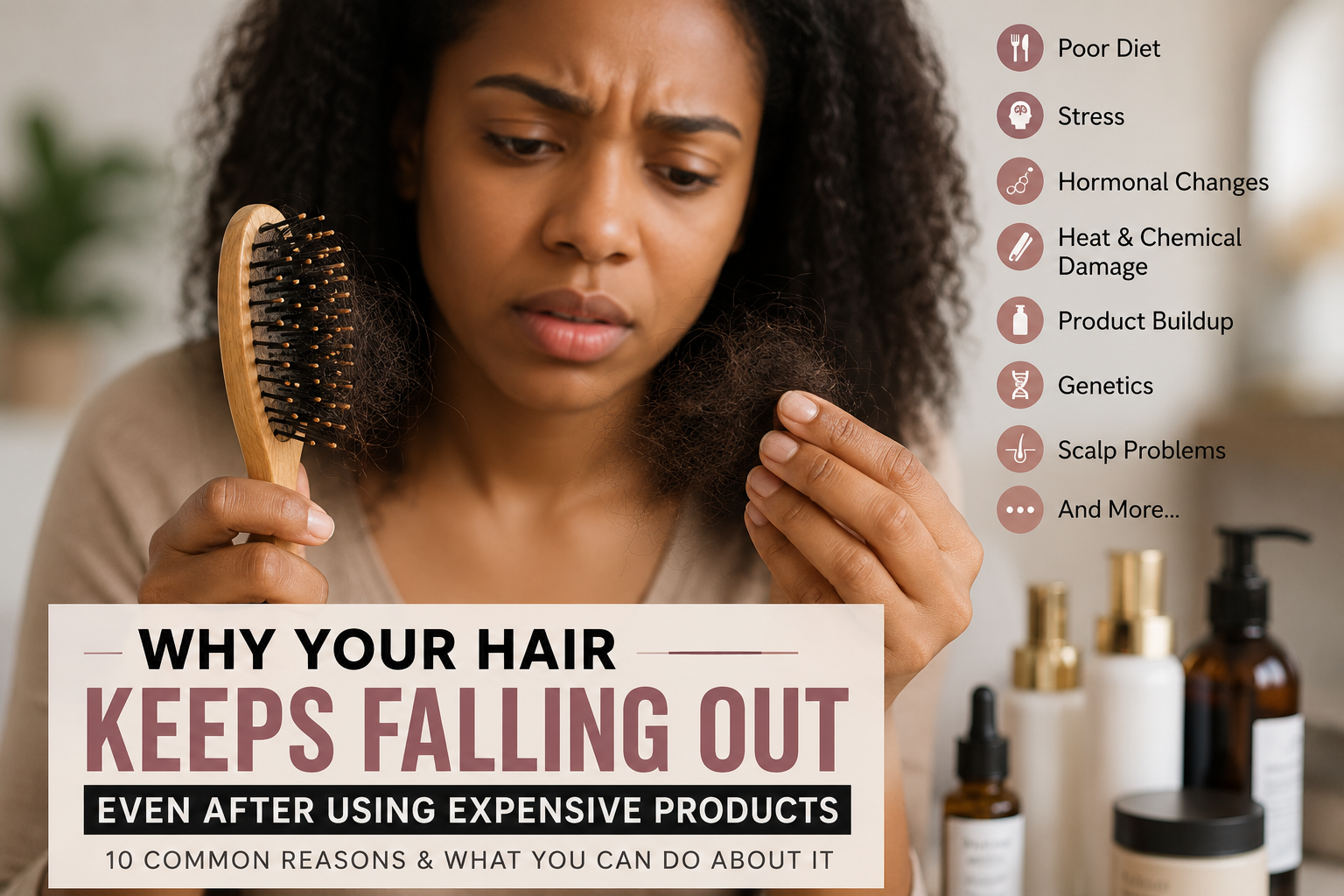
Hair loss can be frustrating, especially when you’ve invested in expensive shampoos, conditioners, serums, and treatments that promised thicker, healthier hair. If your hair is still falling out despite using premium products, you’re not alone. The truth is that healthy hair depends on much more than the products you apply.
Hair shedding can result from stress, diet, hormones, genetics, scalp conditions, and everyday habits. Even the most expensive products cannot fix hair loss if the underlying cause isn’t addressed.
In this article, you’ll discover the most common reasons your hair keeps falling out, what actually works to improve hair health, and when it’s time to seek professional advice.
Is It Normal to Lose Hair Every Day?
Yes. Losing 50 to 100 hairs daily is considered normal. Hair naturally goes through a cycle of growth, rest, and shedding.
The problem begins when:
* Hair falls out in larger amounts than usual.
* Your ponytail becomes noticeably thinner.
* Your scalp becomes more visible.
* Bald patches begin to appear.
* Hair doesn’t seem to grow back.
If you’ve noticed these changes, it’s important to look beyond the products you’re using.
1. Your Diet May Be Missing Essential Nutrients
Your hair is made primarily of protein. Without enough nutrients, your body prioritizes vital organs over hair growth.
Common nutrient deficiencies linked to hair loss include:
* Iron
* Protein
* Vitamin D
* Zinc
* Vitamin B12
* Biotin (only when deficient)
Try eating more:
* Eggs
* Fish
* Lean meat
* Beans
* Lentils
* Spinach
* Nuts
* Seeds
* Greek yogurt
A balanced diet supports healthier hair from within.
2. Stress Can Push Hair Into the Shedding Phase
Major stress—whether emotional or physical—can trigger increased hair shedding. This condition, called telogen effluvium, often appears two to three months after a stressful event.
Possible triggers include:
* Job pressure
* Financial stress
* Surgery
* High fever
* Rapid weight loss
* Childbirth
* Emotional trauma
Reducing stress through adequate sleep, regular exercise, mindfulness, or relaxation techniques may help hair return to its normal growth cycle over time.
3. Hormonal Changes Affect Hair Growth
Hormones play a significant role in maintaining healthy hair.
Hair loss may occur due to:
* Pregnancy
* Childbirth
* Menopause
* Thyroid disorders
* Polycystic ovary syndrome (PCOS)
If hair loss is sudden, severe, or accompanied by changes in your menstrual cycle, weight, or energy levels, consult a healthcare professional for evaluation.
4. Genetics May Be the Real Cause
Sometimes, hair loss runs in families.
Male and female pattern hair loss develops gradually over time and isn’t caused by poor-quality shampoo or conditioner.
While expensive products may improve the appearance of your hair, they cannot reverse inherited hair loss. Early treatment with guidance from a dermatologist can often slow progression.
5. You’re Damaging Your Hair Every Day
Daily styling habits may weaken hair over time.
Common causes of damage include:
* Frequent bleaching
* Excessive heat styling
* Tight ponytails
* Braids that pull on the scalp
* Chemical straightening
* Rough brushing
* Sleeping with wet hair
Healthier habits include:
* Using heat protection sprays
* Limiting heat styling
* Choosing loose hairstyles
* Using wide-tooth combs
* Being gentle when detangling
6. Product Buildup Can Affect Your Scalp
Using many styling products can leave residue on the scalp.
This buildup may:
* Block hair follicles
* Cause itching
* Lead to irritation
* Make hair appear flat
A gentle clarifying shampoo used occasionally can help remove excess buildup without stripping the hair.
7. Your Scalp May Need More Attention
Healthy hair starts with a healthy scalp.
Conditions such as:
* Dandruff
* Seborrheic dermatitis
* Psoriasis
* Fungal infections
can contribute to increased hair shedding.
Signs of scalp problems include:
* Persistent itching
* Redness
* Flaking
* Pain
* Excess oil
Treating the scalp often improves the environment for healthy hair growth.
8. You Expect Products to Work Too Quickly
Hair grows slowly—typically about 1 to 1.5 centimeters (around half an inch) per month.
Many people stop using products after only a few weeks because they don’t see immediate results.
Most hair care routines require three to six months of consistent use before noticeable improvements appear.
Patience and consistency matter.
9. Some Medical Conditions and Medications Can Cause Hair Loss
Hair shedding can sometimes be linked to health conditions or medications.
Examples include:
* Thyroid disease
* Iron-deficiency anemia
* Autoimmune disorders
* Certain medications for blood pressure, depression, acne, or chemotherapy
Never stop taking prescribed medication without speaking to your healthcare provider. If you suspect a medication is affecting your hair, discuss possible alternatives with them.
10. Expensive Doesn’t Always Mean Better
One of the biggest misconceptions in hair care is that a higher price guarantees better results.
In reality:
* Every scalp is different.
* Some affordable products work extremely well.
* Marketing often focuses on luxury rather than effectiveness.
* Ingredients matter more than price.
Choose products based on your hair type and specific concerns instead of cost alone.
What Actually Helps Reduce Hair Loss?
While there isn’t a single solution for everyone, these habits support healthier hair:
* Eat a balanced diet rich in protein, iron, and vitamins.
* Manage stress through healthy lifestyle habits.
* Sleep 7–9 hours each night.
* Avoid excessive heat styling.
* Wash your scalp regularly with products suited to your hair type.
* Protect your hair from excessive sun exposure and harsh chemicals.
* Stay hydrated.
* Be gentle when brushing and styling.
Healthy hair is the result of consistent care rather than one miracle product.
When Should You See a Doctor?
Seek medical advice if:
* Hair loss becomes sudden or severe.
* You notice bald patches.
* Your scalp is painful, inflamed, or infected.
* Hair loss continues for several months.
* You experience other symptoms such as fatigue, unexplained weight changes, or irregular menstrual cycles.
A healthcare professional or dermatologist can identify underlying causes and recommend appropriate treatment.
Frequently Asked Questions
Can shampoo stop hair loss?
Shampoo can improve scalp health, but it usually cannot treat hair loss caused by hormones, genetics, or medical conditions.
Does washing hair every day cause hair loss?
No. Washing your hair does not cause hair loss. You may simply notice hairs that were already ready to shed.
Can stress-related hair loss grow back?
In many cases, yes. Once the source of stress is managed, hair often begins to regrow over the following months.
Do hair growth oils really work?
Some oils may reduce dryness and improve hair condition, but no oil can guarantee significant hair regrowth for every type of hair loss.
Is expensive hair care worth it?
Not necessarily. The best products are those that suit your hair and scalp needs, regardless of price.
Final Thoughts
If your hair keeps falling out despite using expensive products, remember that healthy hair starts from the inside out. Nutrition, stress levels, hormones, genetics, scalp health, and daily habits all play a much bigger role than the price tag on your shampoo.
Instead of chasing expensive products, focus on understanding the root cause of your hair loss and building a consistent, healthy routine. Small changes made over time often produce better results than relying on a single miracle treatment.
With patience, proper care, and professional guidance when needed, many people can improve the health, strength, and appearance of their hair.
Disclaimer: This article is for informational purposes only and should not be considered medical advice. If you’re experiencing persistent or severe hair loss, consult a qualified healthcare professional or dermatologist for an accurate diagnosis and personalized treatment.
0
Comments
Sign in to leave a comment.